

 I led UX strategy across teams, owning both the research that points the way and the interaction detail that delivers it.

Complex products, made clear.
What I've worked on
Pick a card or find out more below
AI Native UX Workflow
Design-system rules, component contracts, and live UX research delivered where developers code, before decisions drift into a PR.
Read case studyKnowledge Base
A centralized, AI-powered knowledge base for AWS. Led end-to-end design and research that reshaped how teams decide together.
Read case studyPage Templates
Hitachi Energy editors stopped starting from a blank canvas. Templates cut page build time and gave readers a consistent structure.
Read case study
Videocall App
Berst went mobile-ready in four weeks: one responsive web app, three streams aligned, and a desktop-first tool remade for phones.
Read case studyDesign System
Appway’s shared patterns, components, and docs so client UIs could scale on a configuration-driven foundation, and open the door to AI-driven UI later.
Read case studyInteractive Elements
Clearer affordance on links and interactive components helped people go deeper, lifting third-level page visits by 40%+ in many cases.
Read case studyCase Studies Revamp
Scattered project stories became one case-study system with filters, tags, and writing guidelines.
Read case studyClick a card to expand


TL;DR

2025–present
AI let UX research live inside the code.
- 4 knowledge sources
- 8 workflow stages
- Straight to code UX guidance
Under NDA; wireframes are mockups.
- The problem
- Component purpose, data requirements, research findings and open questions lived in tickets, Figma, Slack and scattered docs, nowhere a developer could reach while building. So the UI shipped looking right and meaning the wrong thing.
- What we did
- Turned component contracts, design-system rules, research insights and open questions into a live knowledge layer the coding agent consults while a developer builds, so UX guidance arrives at the point of implementation, not after the PR.
- Notion, used over MCP
- Figma, used over MCP
- Cursor
 Ricardo GerstlUX researcher, designer & tooling architectRan the weekly interviews and built the knowledge layer the coding agent reads.
 Head of Product ManagementSet the brief for a UX research practice; made sure verified needs shaped product decisions.
 Product ManagerOwned the roadmap; turned research findings and open questions into priorities.
Core trio
 Frontend engineerBuilt the UI from the component contracts, first to code with the agent.
 Software technical leadTurned rough flows into buildable ones and kept the architecture honest.
 Staff engineerTook up the agentic workflow; worked from live prototypes, not static Figma.
 AI full-stack developerBuilt data-heavy features from the component specs and data requirements.
 Technical lead, developmentChallenged assumptions and backed the calls the research supported.
 TypeScript developerJoined UX sessions and brought ideas in from the code side.
 Backend / full-stack developerReviewed user and task flows early, then built the data behind them.
 Cloud reliability engineerSat in on research readouts; shipped in small iterations.
 Blockchain investigator (compliance)Checked flows against how real investigations are run.
 Customer operations leadSourced research participants and set up the outreach.
 Customer success managerOpened doors to customers for interviews and contextual inquiries.
 Chief commercial officer (sales)Brought the sales and market view into product priorities.
Product team of about twelve
TL;DR

2022–2024
From disconnected emails to one source of truth.
Under NDA; wireframes are mockups.
- The problem
- Several teams gathered the same operational data their own way, in spreadsheets emailed around every week, so nobody could tell what was current, who owned a change, or how a decision had been informed.
- What we did
- Built one multi-module knowledge base where every module shares the same patterns for collection, collaborative maintenance and reporting, with records that carry their own provenance, and an assistant that suggests but never writes a field.
- Amazon Q
- AWS design system
- Ricardo GerstlSenior UX consultant & team leadLed research and design, held the client relationship, and led 8 consultants (16 in rotation).
- Product Owner (client side)Set priorities for each module and signed off releases.
 Tech leadLed the build from the backlog and stories Ricardo set up.
 Senior product designerDesigned modules alongside Ricardo and shaped the product vision.
Product & tech leads
 Software engineerBuilt modules and joined client sessions with Ricardo.
 Senior software engineerBuilt the shared collection and reporting patterns every module reuses.
 Full-stack developerBuilt module front ends and the services behind them.
 QA engineerTested each release and presented the team’s work to the client.
- 3 more engineersFront- and backend engineers on the build.
7 engineers
 Data / business analystMapped the data sources and what each stakeholder group needed from them.
- 2 more analystsBusiness and data analysts on module requirements and reporting.
3 analysts
TL;DR


2018–2020
From consulting each client 1:1 to serving them all at once.
- 550,000+ end users reached
- 40+ client projects
- 60% less time to MVP
- The problem
- Every bank client got a bespoke interface built from a blank page, and every upgrade or maintenance job came back as a fresh project.
- What we did
- Mined the patterns that kept repeating across shipped projects into a themable, accessible design system, then built the documentation and training that got developers onto it.
- TypeScript
- CSS
- JavaScript
- Pictet
- J.P. Morgan
- AXA
- BCGE
- LPL Financial
- HSBC
- Credit Suisse
- Ricardo GerstlUX engineer (lead)Set the strategy, designed and built the system, and led the UX engineers.
 UX engineerRicardo was his right hand on the design system build.
 UX engineer, external consultantBuilt the first version with the team, remotely.
 UX engineer, remoteBuilt front ends for products on the system.
 UX engineer, remoteWorked on front-end topics as part of the local team.
Led 4 UX engineers
 Front-end engineerBuilt and documented components.
 DeveloperSet up cross-browser visual testing that checked every release.
 UX leadSparring partner on the design system architecture.
 UX designerDesigned with Ricardo and co-wrote the documentation.
 Technical writerTurned dozens of releases into release notes.
 Head of Studio SupportTriaged design system bugs from projects; Ricardo fixed them.
 Product owner, client projectRan one of the first client projects on the new system.
 Head of Professional ServicesBrought the Customer Success consultants onto the system.
 Solutions salesDemoed the system to prospects in sales pitches.
 Senior product managerPlanned releases with Ricardo and the platform team.
Worked across the company
TL;DR

2020–2022
Editors stopped reinventing the page.
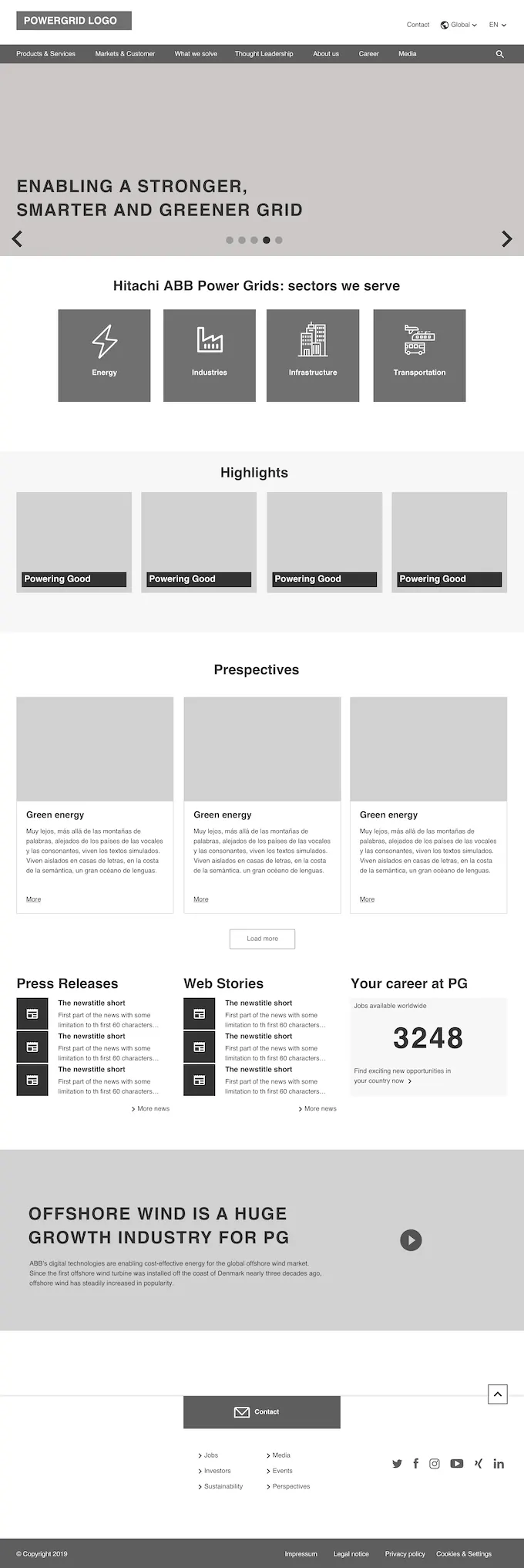
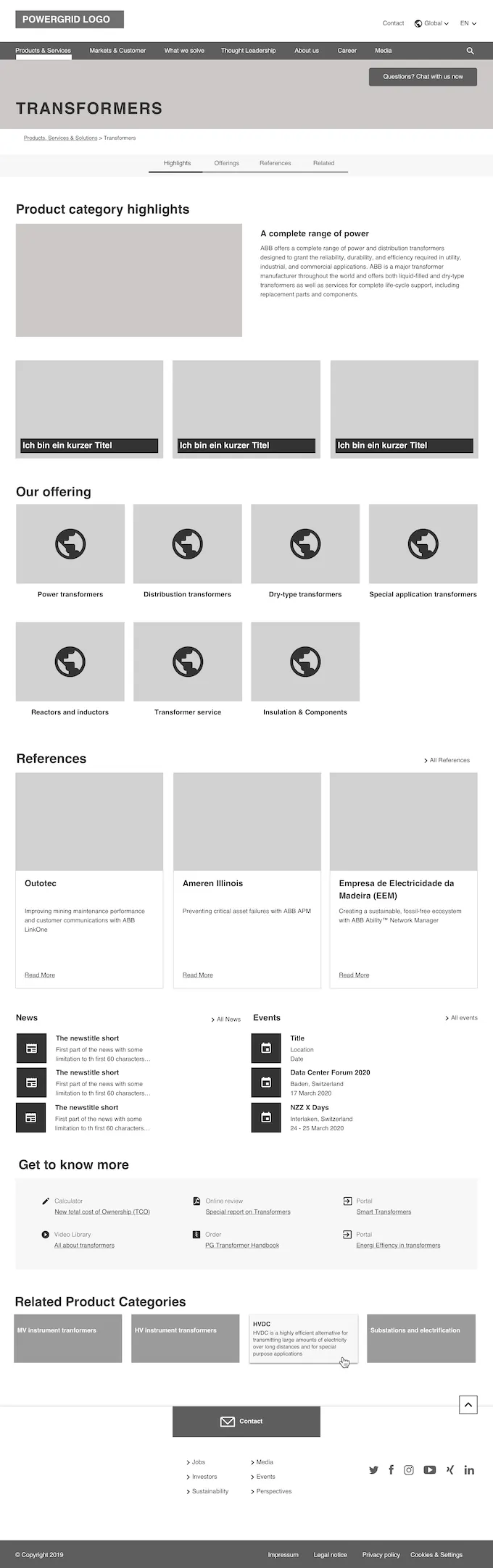
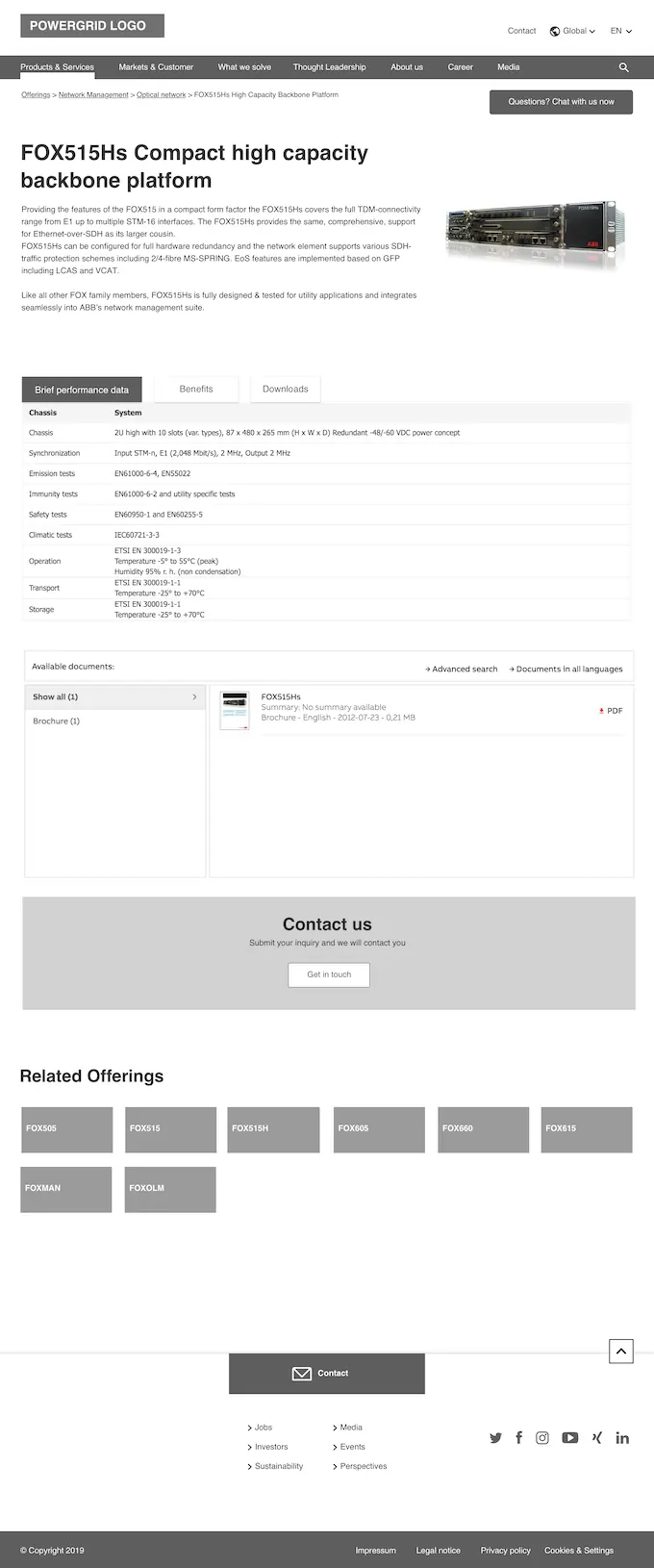
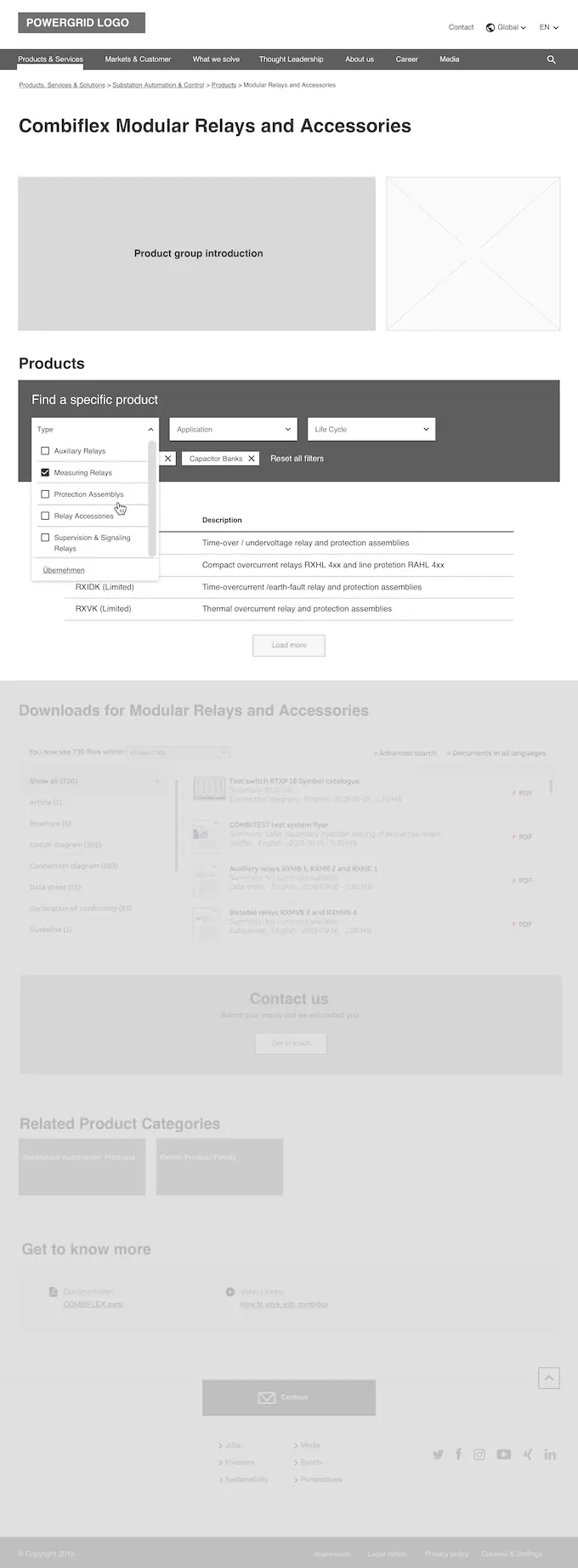

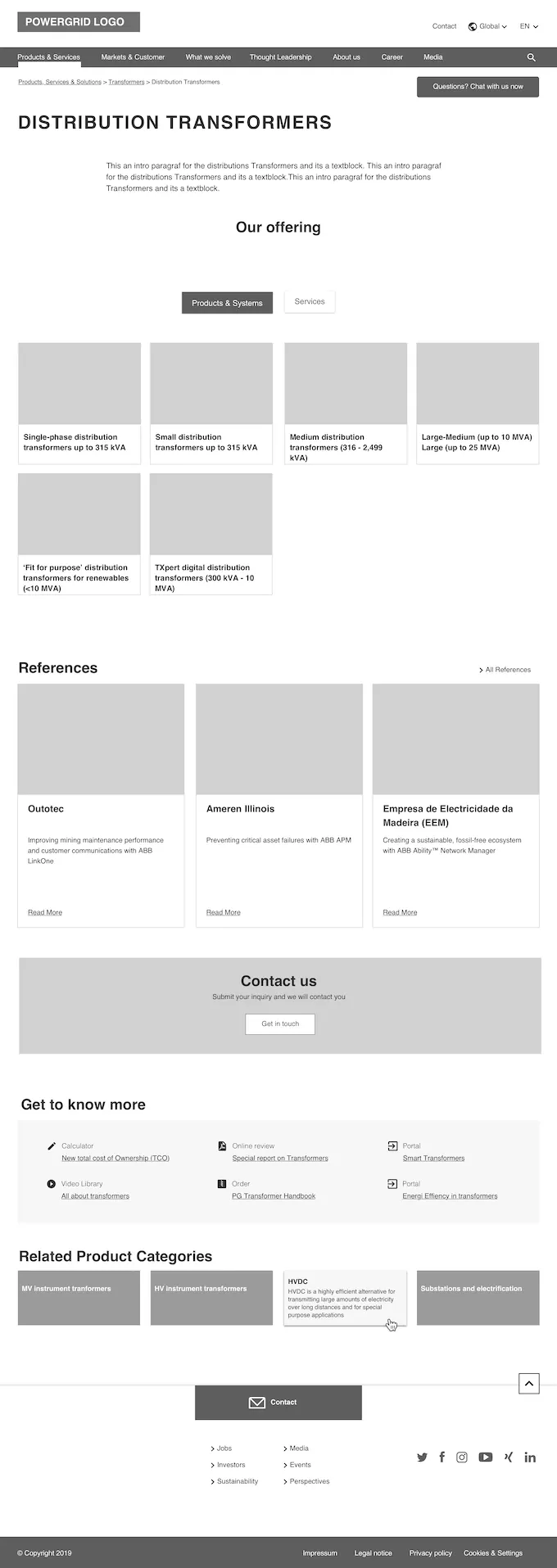
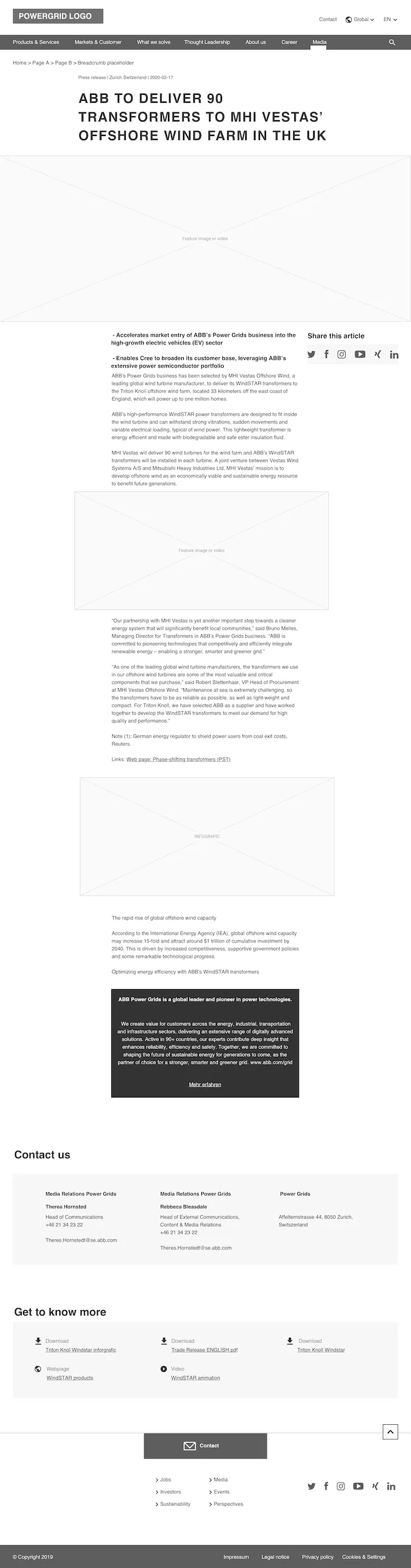
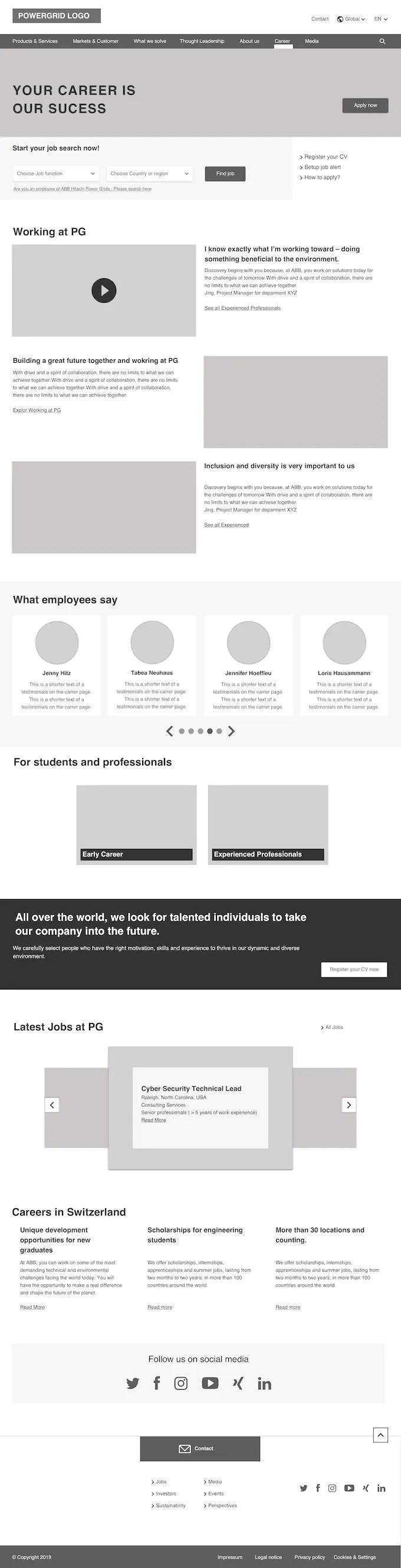
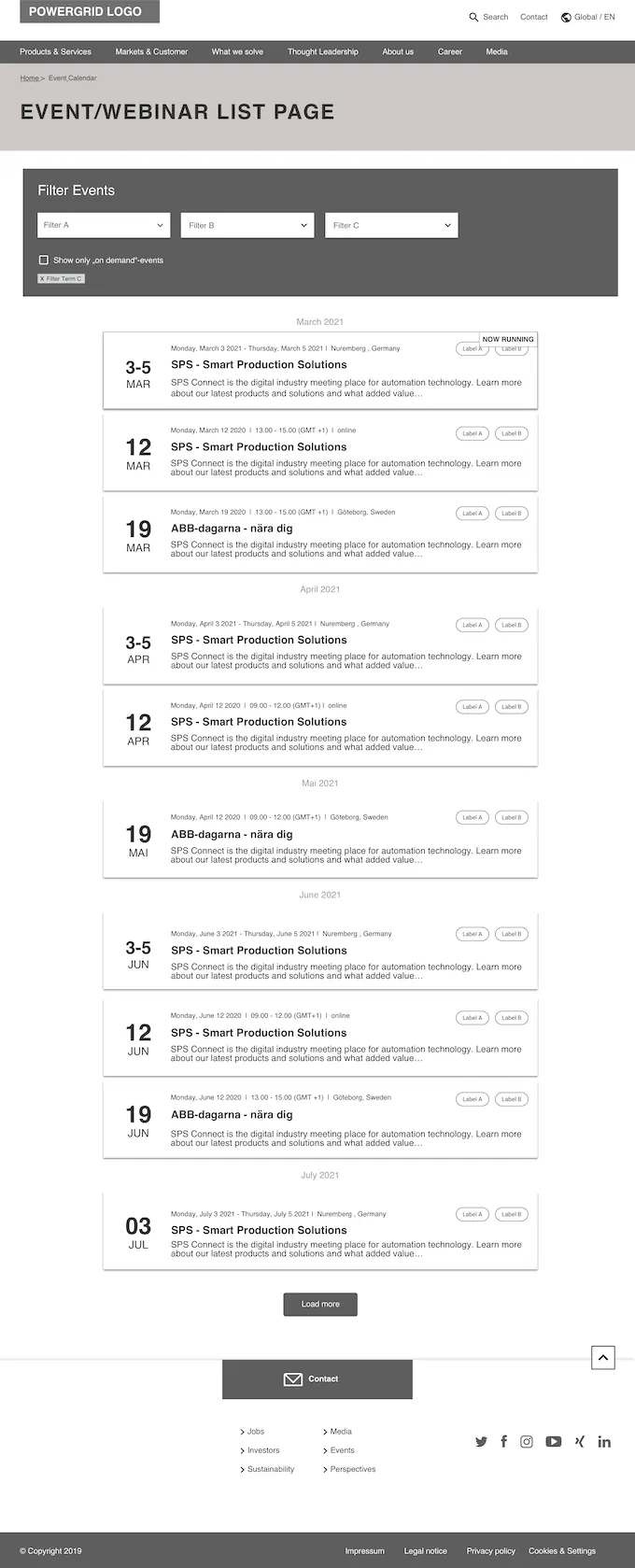
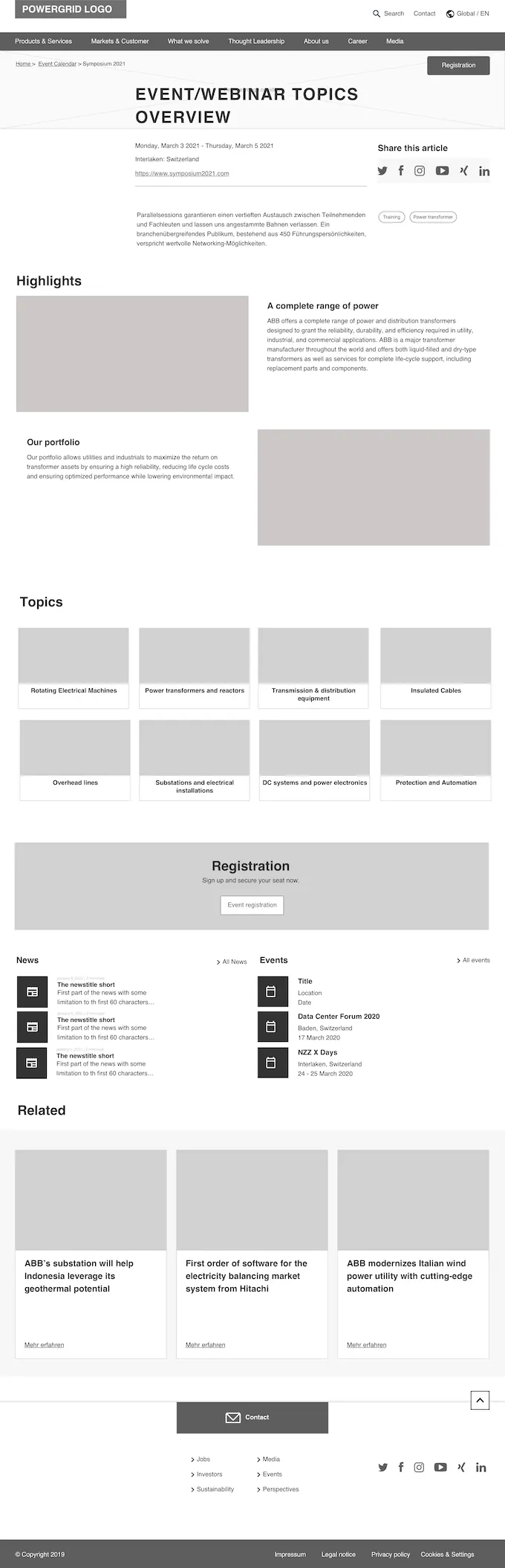
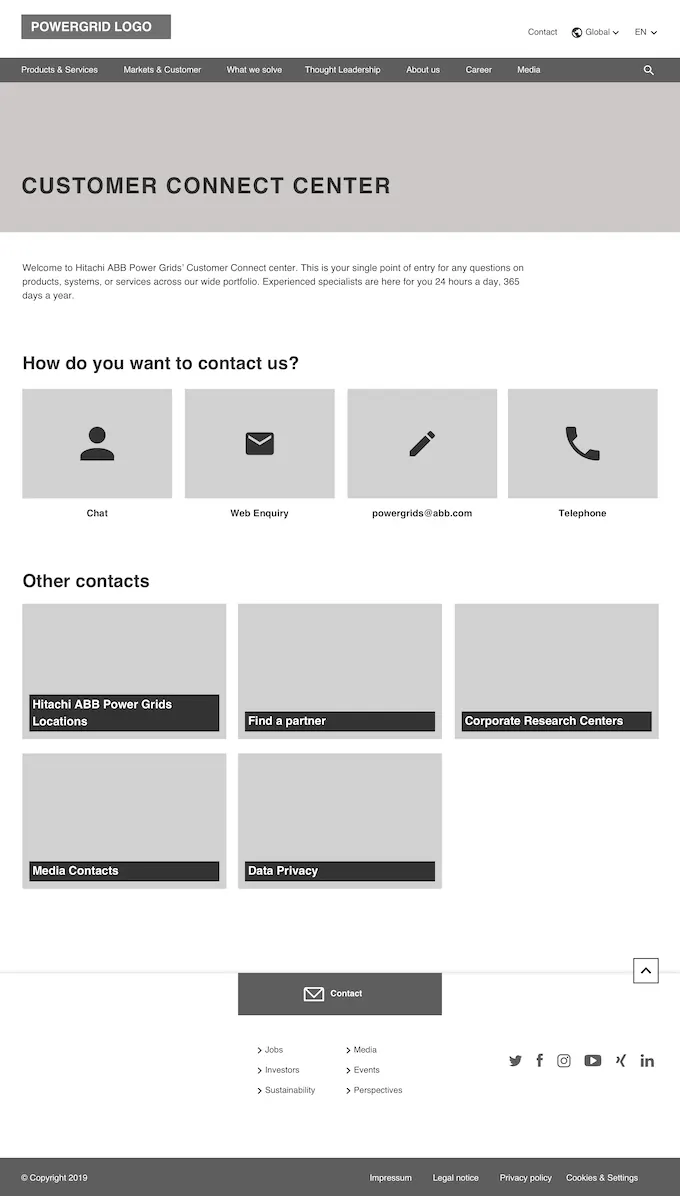
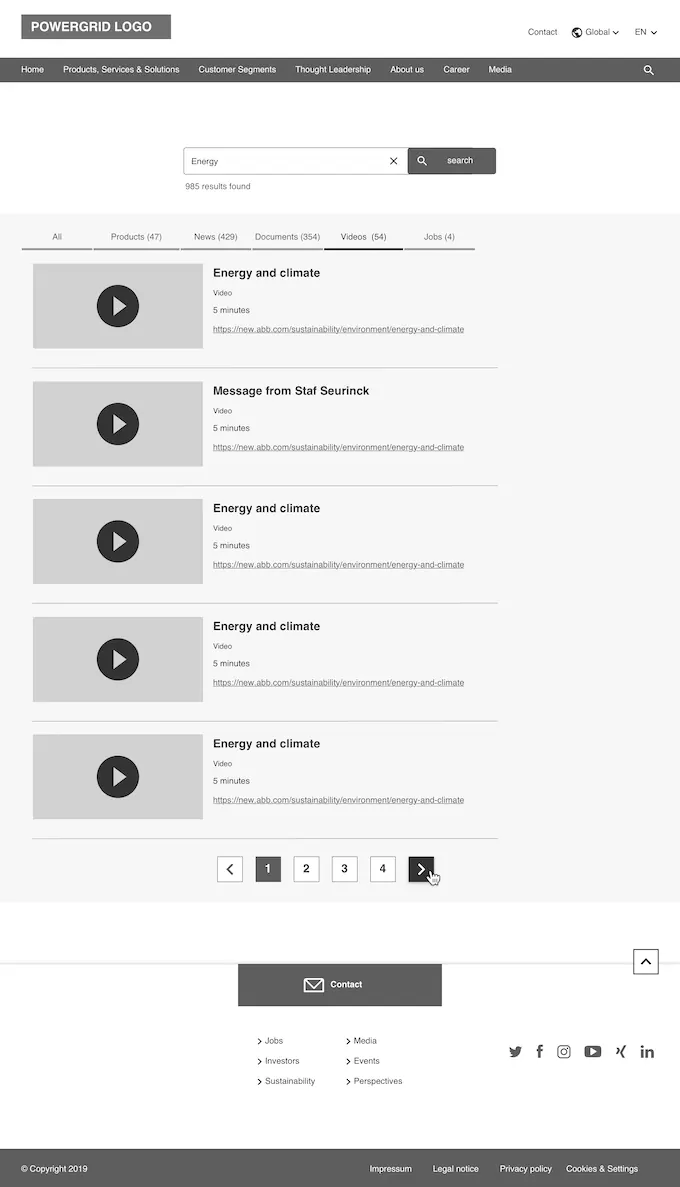
- 90→50 min to build a page
- 24+ page templates
- No blank canvas editor start state
- The problem
- Every page started from a white canvas, so each editor invented their own layout, and with it hidden content in tabs, misused tables and missing headings.
- What we did
- Replaced the blank canvas with topic templates built from mandatory and optional zones, then ran the training and release communications that kept 220+ editors on one model through two rebrands.
- Ricardo GerstlUX researcher & project managerDesigned the template model, ran editor training and the release comms.
 Global web & intranet managerOwned the web platforms and backed the template rollout.
 Web platforms managerCo-ran communication and training with hundreds of editors.
 Product designer, design teamDesigned the template zones and the backend pictograms.
 Regional brand managerKept the templates on brand through two rebrands.
Web team
 Communications, web editorBuilt pages with the templates and gave feedback in the Q&As.
 Web managerRegional editor and an early user of the templates.
 Employer branding & internal commsContent owner for careers and intranet pages.
 Communications leaderBrought the Business Units’ needs into the feedback loop.
- 300+ content owners and web editors220+ of them trained and aligned on one content strategy.
Editors & content owners
 To read all 100+ recomendations
In the spirit of reconciliation, I, Ricardo Gerstl, acknowledge the Traditional Custodians of country throughout Australia and their connections to land, sea and community. I pay my respect to their Elders past and present and extend that respect to all Aboriginal and Torres Strait Islander peoples today.